
Picture the Fishers library. Every book on every shelf.
Now picture every library in Indiana. Then every library on Earth. Every article ever posted. Every how-to, every owner's manual, every "here's how I fixed my water heater" post somebody typed at 2 AM.
Now squeeze all of it down until it fits in your phone.
That's AI.
That's the plainest answer I know to "what is AI, actually?" And that one picture explains almost everything else: why it's so good, why it's sometimes flat wrong, and why even the people who built it can't fully see inside it.
Stay with me. One small step at a time.
First, You've Been Using AI For Years
You have. You just didn't call it that.
Your junk mail folder. The map that reroutes you around the wreck on 69. (There's always a wreck on 69.) The check you deposit by taking a picture of it. Your phone opening when it sees your face.
Every one of those was called artificial intelligence, right up until it worked. Then we just called it the phone.
Nobody ever said, "Wow, my junk mail folder is really intelligent today."
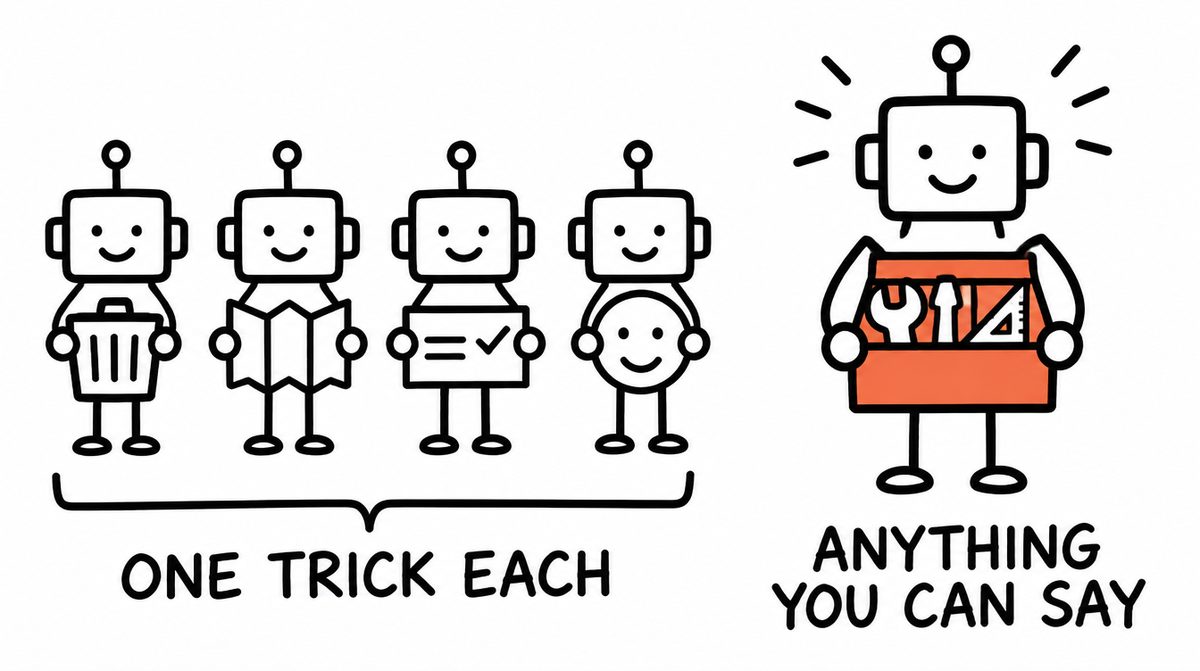
But notice something about all of them. Each one does one trick.
The spam filter can't read a map. The map can't cash a check. The face thing can't do anything except know your face, and some mornings it can barely do that.
Then something changed.
The New Kind Isn't A Trick. It's A Library.
The new kind of AI (ChatGPT, Claude, the ones you can just talk to) isn't one more trick. It's one thing that can help with almost anything you can put into words.
Write a hard email. Explain a contract. Plan a menu. Figure out why sales dipped in March. Help your kid with fractions. Name your new service. All from the same little box on your phone.
How can one thing do all that?
Because of what's inside it. Remember the library.
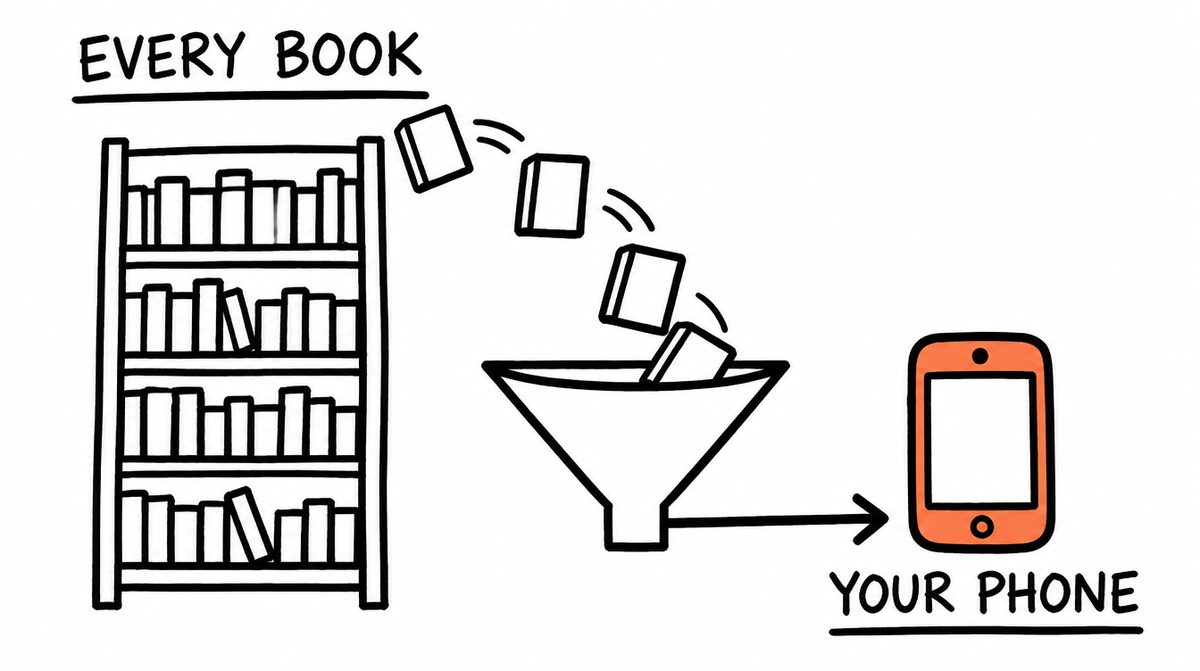
What is AI, really? It's compressed knowledge. Every book on every shelf. Every article. Every how-to. Squeezed down and put in your phone.
"Compressed" just means squeezed down. That's the whole technical part. You made it.
So when you ask it something, you're not asking it to go fetch a web page. You're asking something that has, in a way, soaked up the whole library, and can talk with you about any of it, in plain English, about your exact situation.
Which Means There's A Genius In Your Pocket
Think about what that used to mean.
We used to assume the best technology was locked up somewhere. The government. The military. Giant companies with buildings full of engineers.
Not anymore. You can use the same top AI the biggest companies use. Same one.
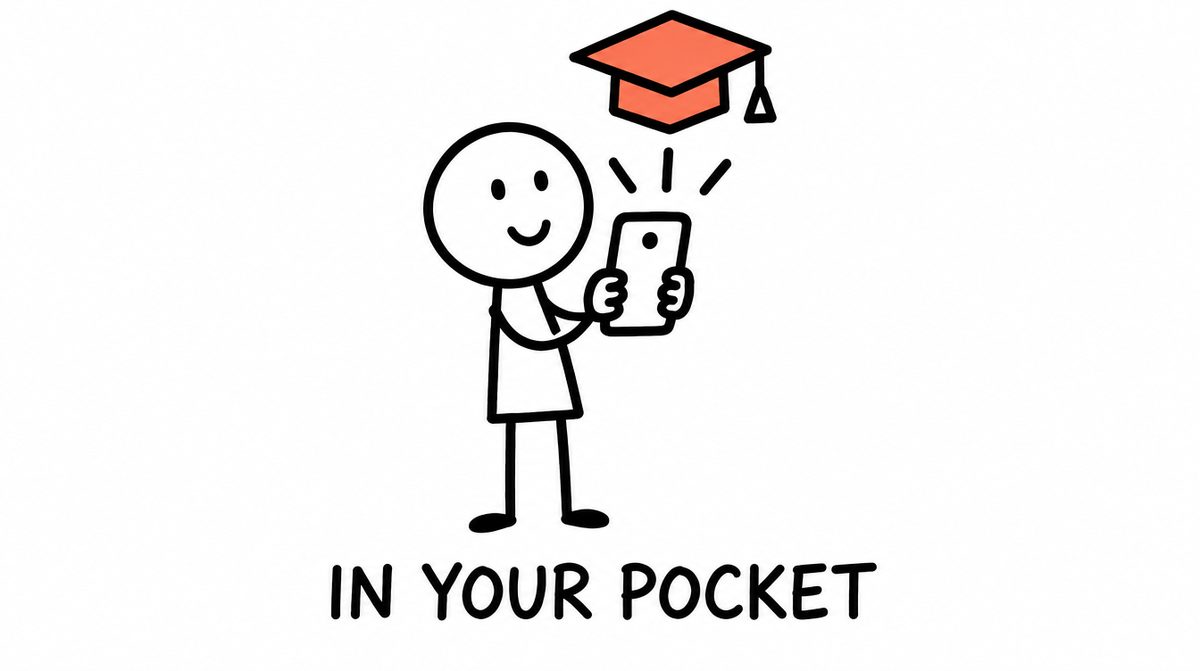
Intelligence isn't scarce anymore. You have the same access as anybody on Earth.
The plumber in Fishers and the CEO in New York are holding the same thing. That still blows my mind.
But Squeezing Makes It A Little Blurry
Here's the part most people miss, and it might be the most useful thing in this whole article.
When you squeeze a whole library down small enough to fit in a phone, you can't keep every single word. It keeps the gist. The shape of things. How stuff usually goes.
It's like a photocopy of a photocopy. You can still read it. Most of it is crisp. But here and there a word is smudged, and the AI fills in what it thinks was there.
And here's the catch. It doesn't sound blurry. It sounds completely sure.
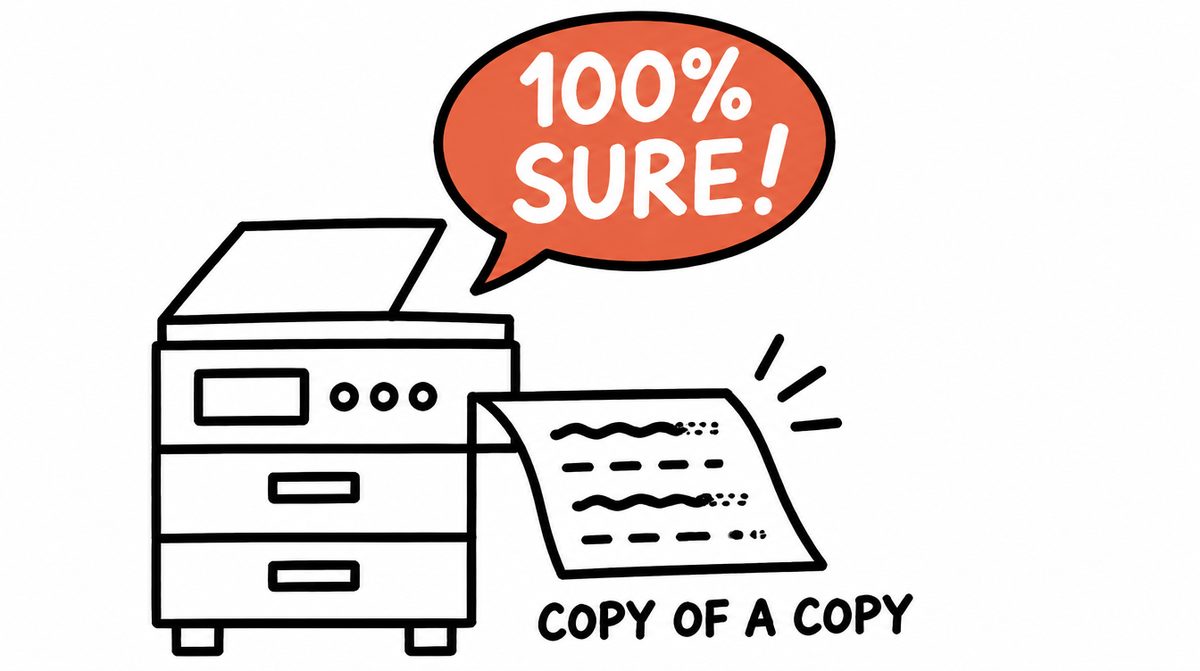
AI can sound completely sure and still be wrong.
It isn't lying to you. It's giving you its best guess at the answer, and most of the time its best guess is right. Sometimes it's a smudge. And when it doesn't know, it doesn't always say "I don't know." Sometimes it makes stuff up and says it with a straight face.
Tuck that in the back of your head. It matters more than almost anything else once you start using AI on your business. (We'll come back to it in No. 6.)
So You Check It
Here's a real one. Before our Nov 9 night, I had Claude research the businesses that were coming. Then I had two other AIs check its work.
They caught mistakes. Things it said like a fact that weren't true.
If I'd just copied and pasted, I'd have stood up in front of a room full of business owners and gotten their own businesses wrong. To their faces.
So I check. Two habits: don't take the first answer, and when it matters, have ChatGPT check Claude (or the other way around). Let them grade each other's homework. (All five habits are in No. 3.)
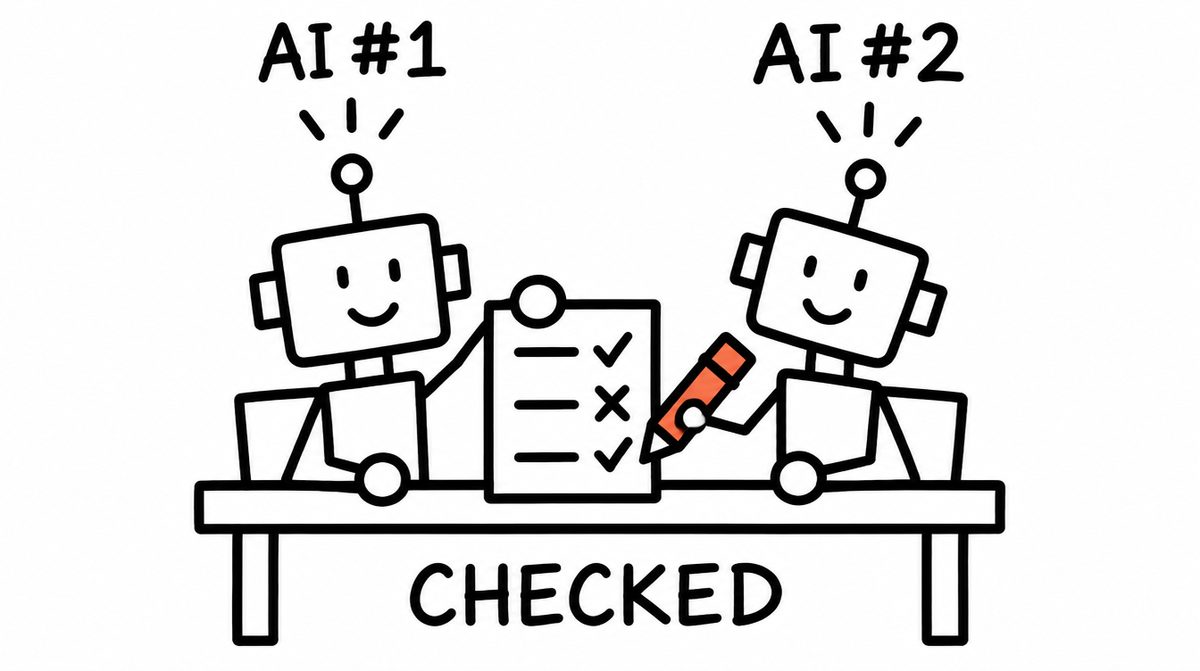
Anybody can get an answer out of AI. Getting it to check itself? That's the art.
Steal This
Steal this: the check-it trick
After any answer you're about to actually use (a number, a date, a rule, a fact about a competitor), say this out loud:
"Before I use this, tell me which parts you're least sure about, and what I should double-check myself."
When it really matters, copy the answer into a second AI and say:
"Another AI wrote this. Find anything that's wrong, missing, or made up. Be tough."
The Strangest Part: Nobody Has The Manual
Okay. One more step up, and this is my favorite one.
Nobody knows exactly how it works. Not even the people who built it.
They know how to build it. They know how to teach it. But what's actually going on inside? Even they can't fully see it.
That's not me guessing. Dario Amodei, the CEO of Anthropic, the company that makes Claude, wrote it himself in 2025: "we do not understand how our own AI creations work."
Think about that.
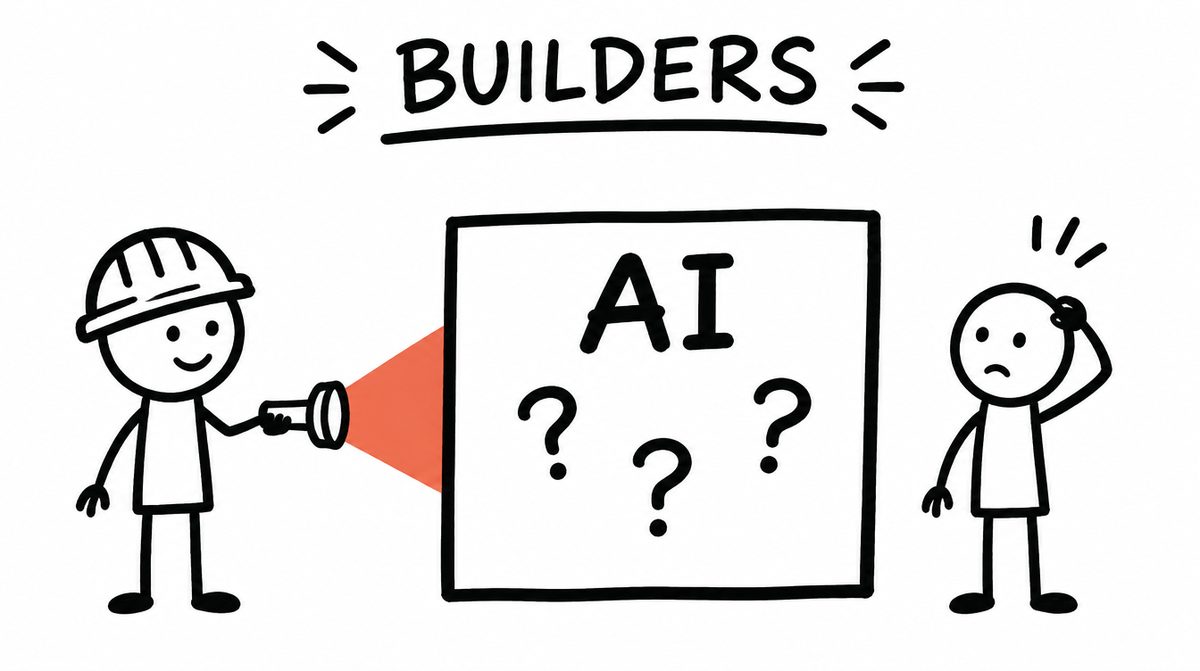
That surprised me. But it didn't scare me. It felt like finding out nobody has explored the back half of the cave yet, and you're standing at the entrance with a flashlight.
Because here's what it means for you: there is no manual. Nobody's hiding the secret instructions from you. They don't exist.
So if anyone tells you they know exactly how AI works? Don't listen to them. They don't.
The people getting the most out of it didn't read a manual. They just play with it. Every day. They try things, see what happens, and keep what works.
That's not a tech skill. It's curiosity. And you've got that, or you wouldn't have read this far.
Back To The Library
So picture it one more time. Every book on every shelf, squeezed into your phone. A little blurry in spots, so you check it. Nobody has the manual, so you play.
Now walk down every aisle. Every shelf. Every book.
There's one book that isn't on any shelf. Yours.
How you treat a customer. Why people pick you over the guy down the road. The stuff you know from years of doing the work that nobody ever wrote down. The AI has never read that one. It's never been inside your shop.
So what you bring decides what you get back. Which is why two people can ask the same AI the same question and walk away with completely different answers.
If this one clicked and you want to see what that library knows about your kind of business, grab 15 minutes with me at 2guysandagenie.com/book. Or just text GENIE to (317) 751-2693.
Next up: No. 3, "Same Pencil, Different Hand." Why the same AI hands one person an apple and the next person an orange.